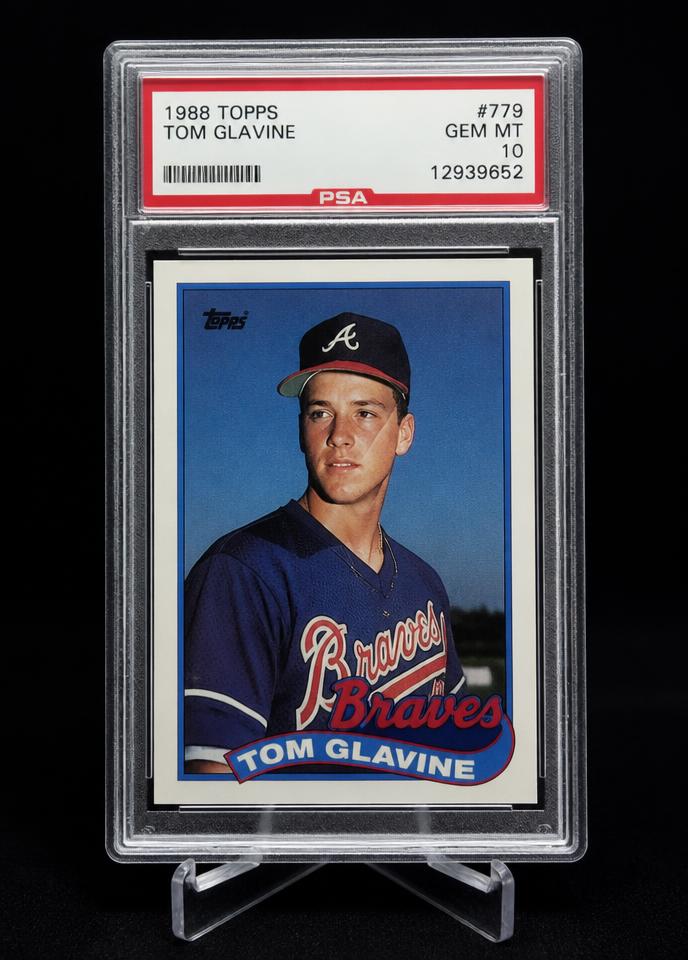
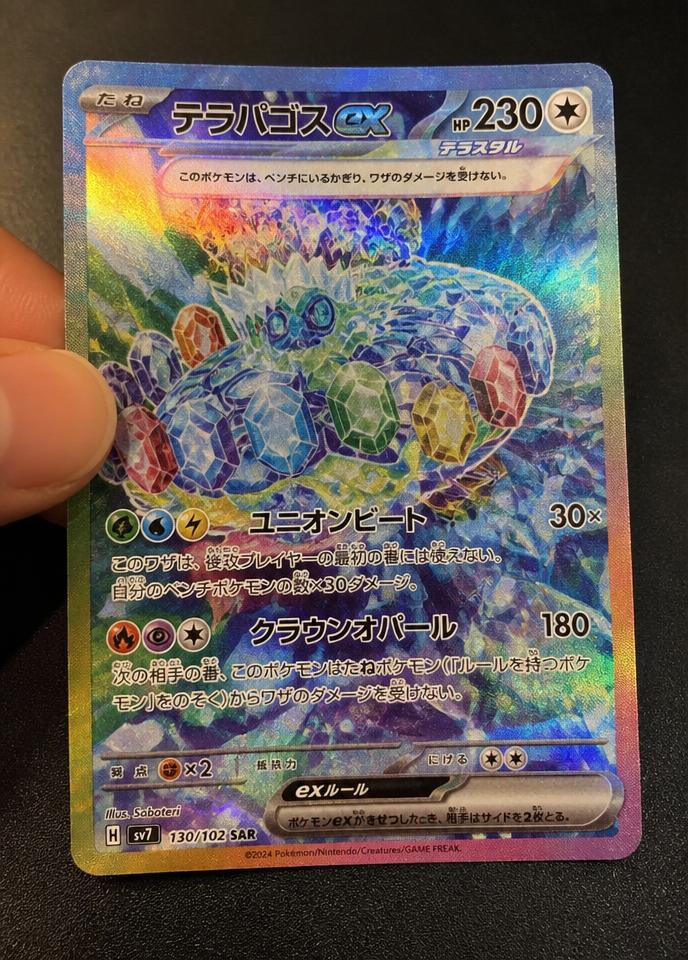
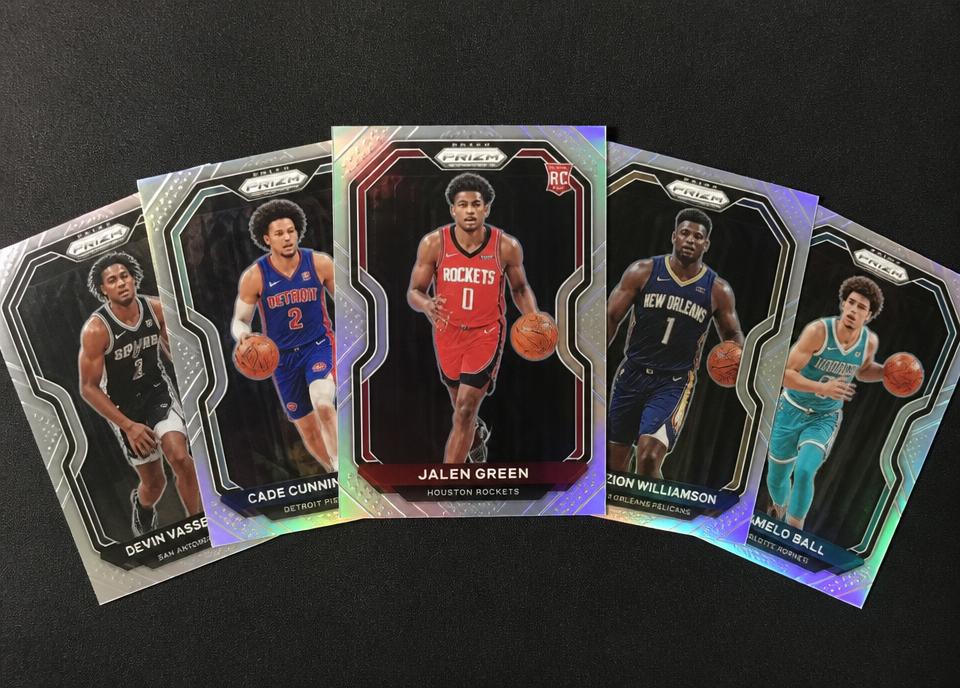
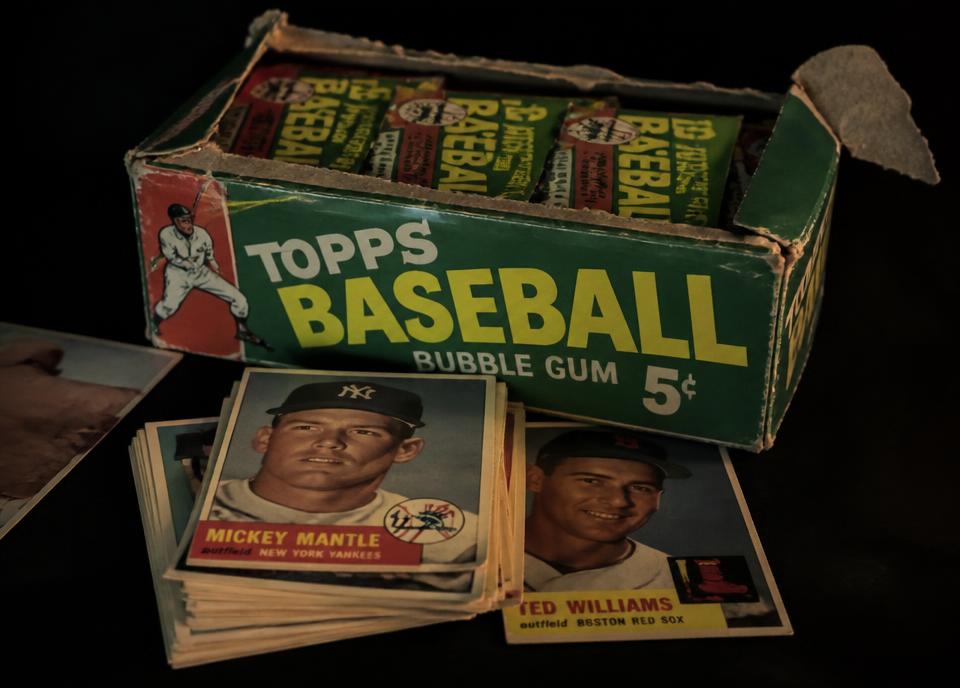
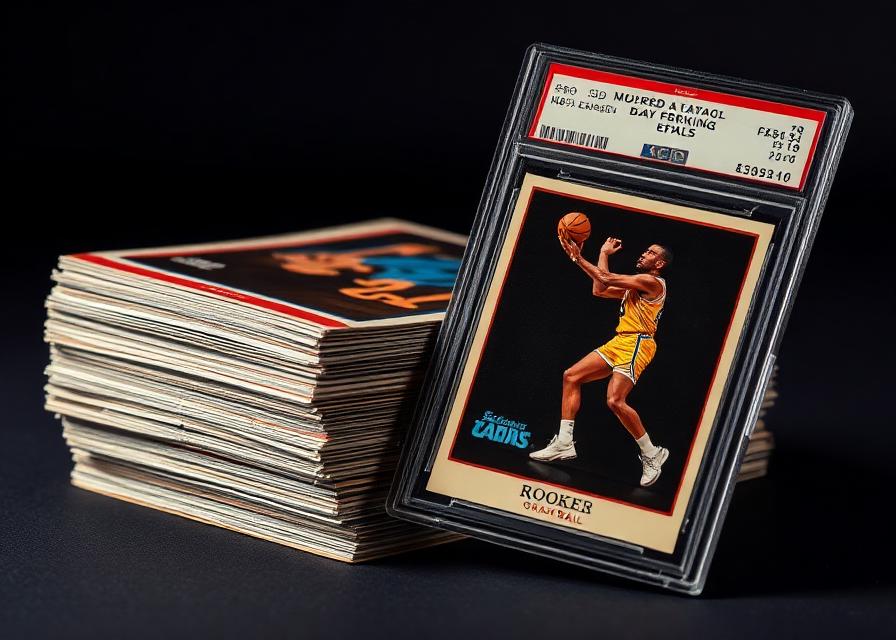
1. Identify the exact card
Value lives in the details: set name, card number, year and print run. Two cards with the same player or Pokémon can differ 100x based on the set code printed in the bottom corner.
Card value guide
Every profitable flip starts with an accurate valuation. Here is the exact process Card Worth A.I automates when it scores a listing — and how to run it yourself on any Pokémon, sports or TCG card.
Value lives in the details: set name, card number, year and print run. Two cards with the same player or Pokémon can differ 100x based on the set code printed in the bottom corner.
Active listings are wishful thinking. Filter marketplaces to sold/completed listings from the last 30 days — that median is the real market value.
Holo patterns, silver/refractor parallels, numbered serials (/25, /99), autographs, patches and first-edition stamps are where premiums come from. A base card is bulk; the parallel is the grail.
Centering, corners, edges and surface drive grading outcomes. A PSA 10 can be worth 5–20x a raw copy, but a soft corner drops it to a 8 and erases the premium.
Marketplace fees (roughly 10–13%), shipping, and grading fees come out of your margin. Profit is sold comp minus ask minus those costs — that is what the scanner scores for you.
| Tier | What to look for | Typical premium |
|---|---|---|
| Common | Base set, no foil, unnumbered | Bulk — value in lots |
| Rare | Holo, insert, short print | 2–5x base |
| Epic | Numbered parallel, auto, patch | 10–30x base |
| Legendary | 1/1, low serial, iconic rookie | Auction-driven |
Run an AI sweep across six marketplaces and get every underpriced listing ranked by deal score, rarity and resale upside.
Run a free scan