← Back to scanner

Flipping guide

How to flip Pokémon cards for profit

Flipping cards is one skill repeated over and over: find a listing priced below what the same card recently sold for, buy it, and resell at the comp. This guide walks the exact workflow — and how Find Gem Cards A.I. automates the slow parts across Pokémon and other TCG markets.

The flipping workflow

1. Hunt where mispricing happens

Most underpriced Pokémon cards are listed by non-collectors: estate lots, bulk binders, blurry photos and titles missing the set code. Those listings never surface in normal searches, which is exactly why they sell under market.

2. Let the scanner read titles and photos

Find Gem Cards A.I. sweeps live web listings, parses the set, number and parallel out of messy titles, then cross-checks each one against recent sold comps for the same card in the same condition.

3. Read the deal score before the price

Deal score blends three things: ROI versus sold comps, liquidity (how often that card actually sells), and rarity. A 92 on a $40 card beats a 61 on a $400 card — high score means the market has repeatedly paid more for that exact card.

4. Check resale upside after costs

Resale upside is sold comp minus ask minus fees. Budget roughly 13% marketplace and payment fees plus shipping. A $60 card with a $95 comp is about a $22 profit, not $35 — the app already subtracts this for you.

5. Decide raw flip vs grading

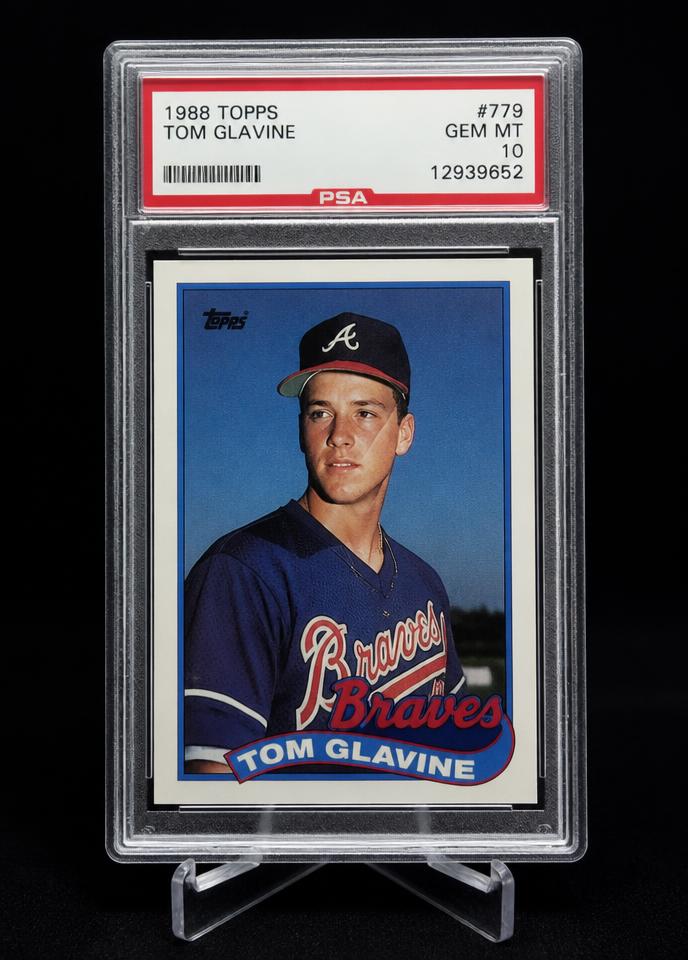
Flip raw when the spread is under ~$100 or the card has visible wear. Send to grading only when a PSA 10 comp is at least 4x the raw comp and centering, corners and surface look clean under angled light.

6. List fast, price to the comp

Flippers make money on velocity, not on holding. List at or slightly under the median sold comp, use the full set name and card number in the title, and photograph all four corners.

Where the profitable listings hide

CategoryWhat to look forWhy it's mispriced
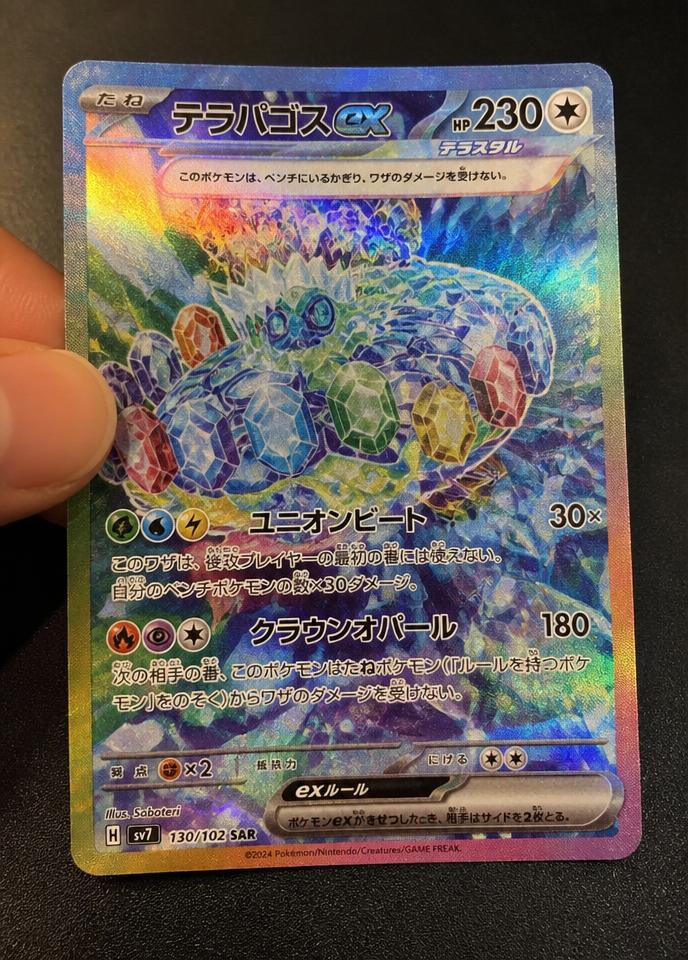
Modern chase cardsAlt-arts, special illustration rares, full-art trainersSealed-product hype prices swing weekly, so mispriced singles appear constantly
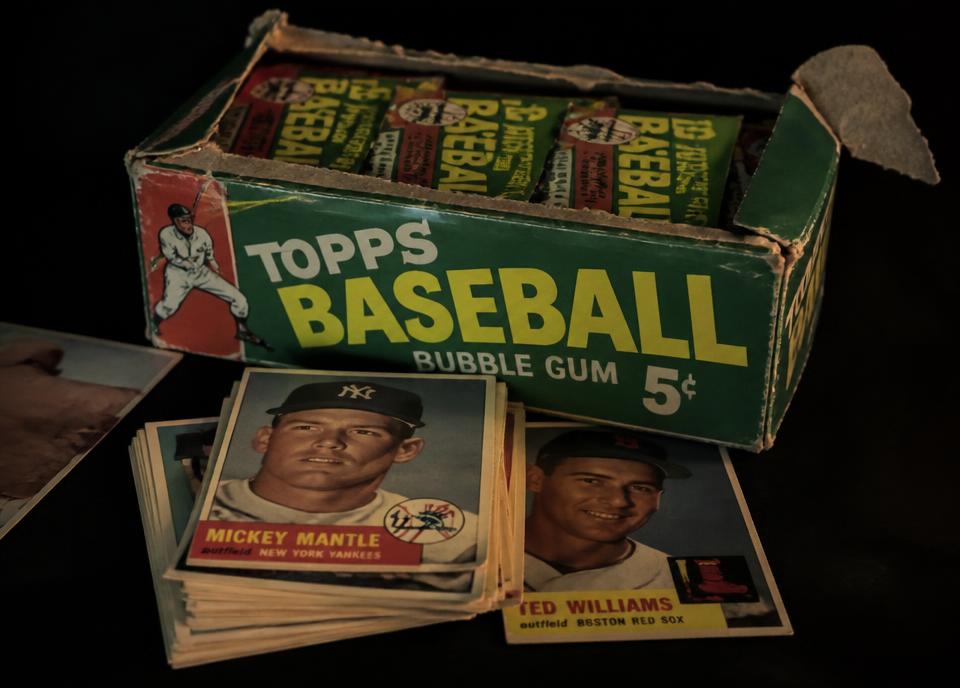
Vintage holosBase Set, Jungle, Fossil, Neo holosCondition-sensitive — sellers who list 'played' often undervalue a near-mint copy
Graded arbitragePSA/BGS slabs listed below slab compsSlab comps are precise, so mispricing is easy to verify in seconds
Bulk lotsBinder and collection lots with one visible chase cardLot price is often below the single card sitting in the photo

Profit math, in one line

profit = sold comp − ask price − (comp × ~0.13 fees) − shipping

Resale upside in the app is this number, and deal score is that profit weighted by how reliably the card sells. Pair them: high upside with a low score is a card that may sit for months.

FAQ

Is flipping Pokémon cards still profitable?

Yes, but the margin has moved from sealed product to underpriced singles. The edge now comes from finding badly listed cards faster than other buyers, which is what automated scanning solves.

How much money do I need to start?

You can start under $100 flipping $10–$30 singles. Small, liquid cards turn over quickly and teach you comps without tying up capital.

What is a good deal score?

80+ is a strong buy signal, 60–79 is worth a manual comp check, and below 60 usually means thin margin or a card that rarely sells.

Does this work for other TCGs?

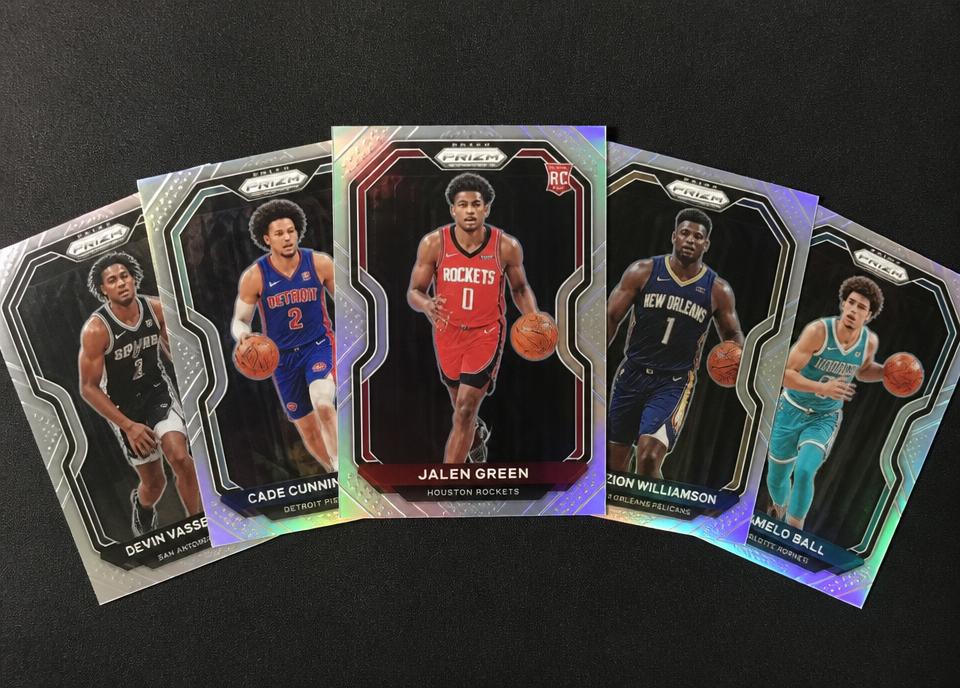
The same method applies to Magic: The Gathering, Lorcana, Yu-Gi-Oh! and sports cards — any market with public sold comps.

Find today's underpriced cards

Run an AI sweep of live listings and get every underpriced Pokémon, TCG and sports card ranked by deal score and resale upside.

Run a free scan

New to comps? Start with the card value guide.